



Large Screen Tablet vs Small Tablet: Which Is Right for You?

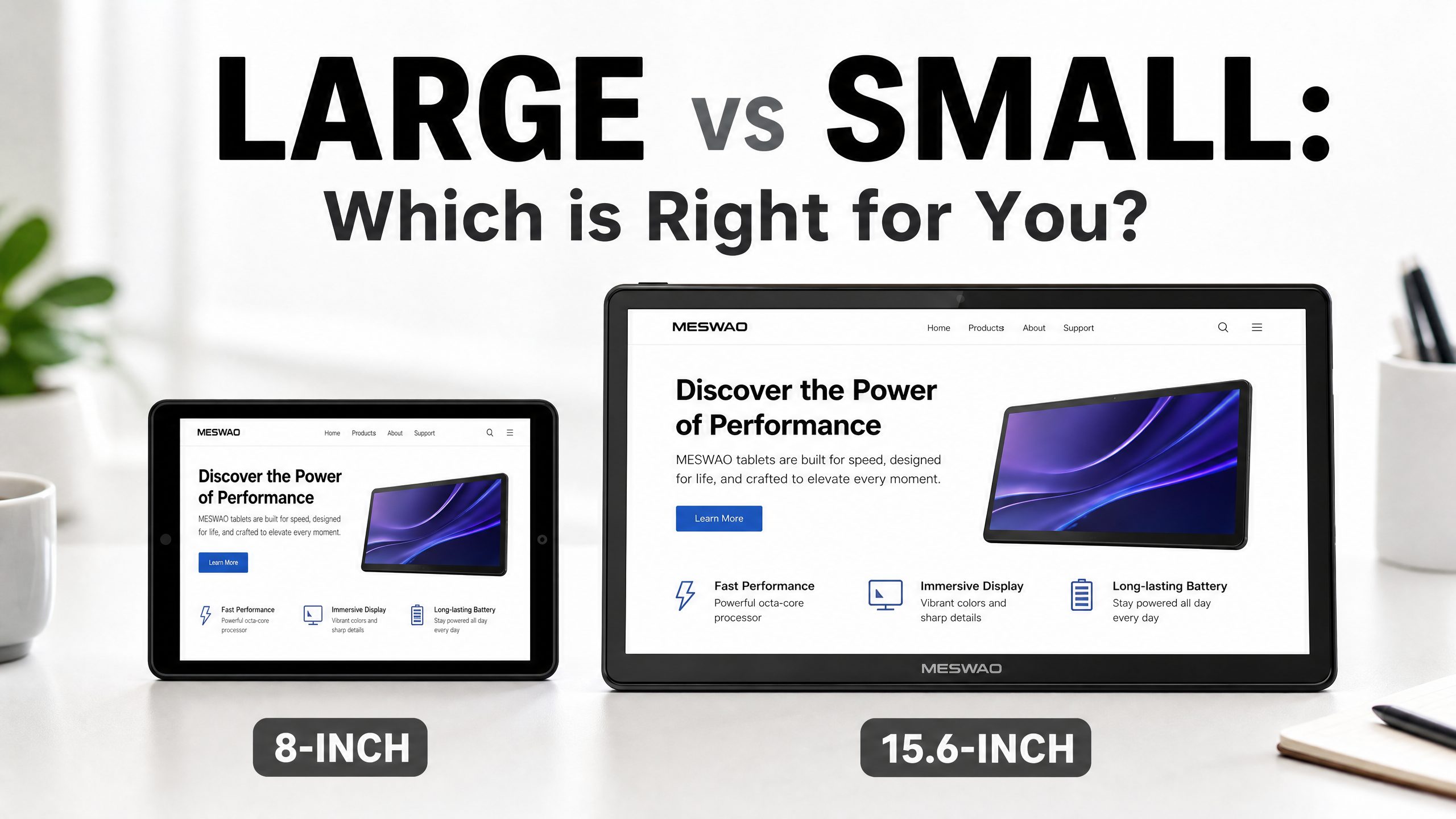
The Great Debate: Large Screen Tablet vs Small Tablet
If you’re in the market for a new device in 2026, you’re likely facing the classic dilemma: large screen tablet vs small tablet. It’s no longer just about picking an operating system; screen size fundamentally changes how you interact with the device.
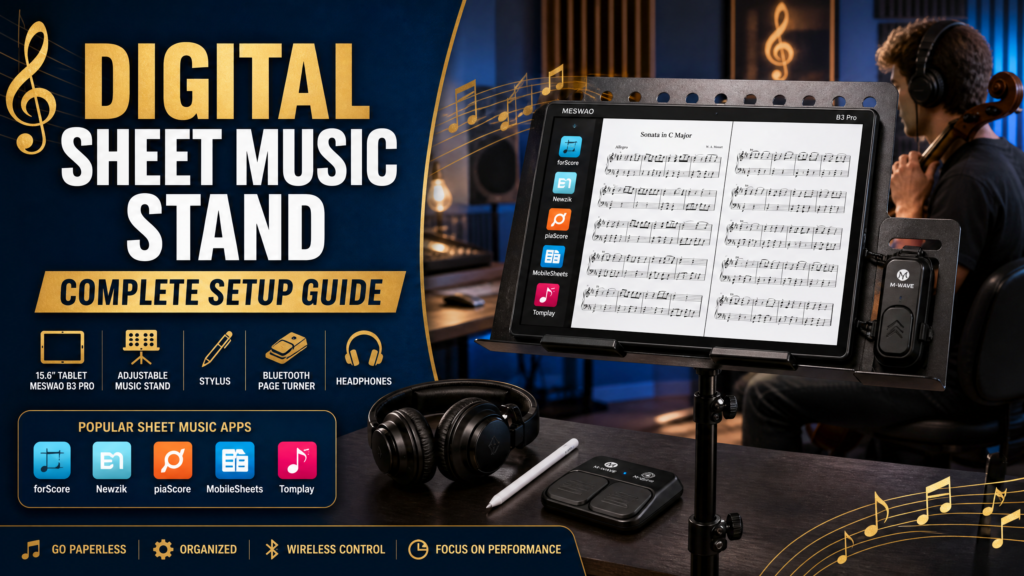
I remember buying my first 8-inch tablet years ago. It was great for reading on the train, but the moment I tried to watch a movie or edit a document, I felt cramped. Recently, I switched to the Meswao B3 Pro 15.6-inch tablet, and it completely changed my perspective on what a tablet can do. Let’s break down which size is truly right for you.
The Case for Small Tablets (8 to 10 inches)
Small tablets still have a place in the tech ecosystem. Devices in the 8 to 10-inch range are primarily designed for extreme portability.
- Portability: They easily slip into a small bag or even a large jacket pocket.
- One-Handed Use: They are light enough to hold in one hand while reading on the couch or commuting.
- Casual Gaming: Many mobile games are optimized for smaller screens where your thumbs can easily reach all controls.
However, the downsides become apparent quickly. Multitasking is nearly impossible. Try having a web browser and a note-taking app open side-by-side on an 8-inch screen—it’s a frustrating experience.
The Case for Large Screen Tablets (13 to 16 inches)
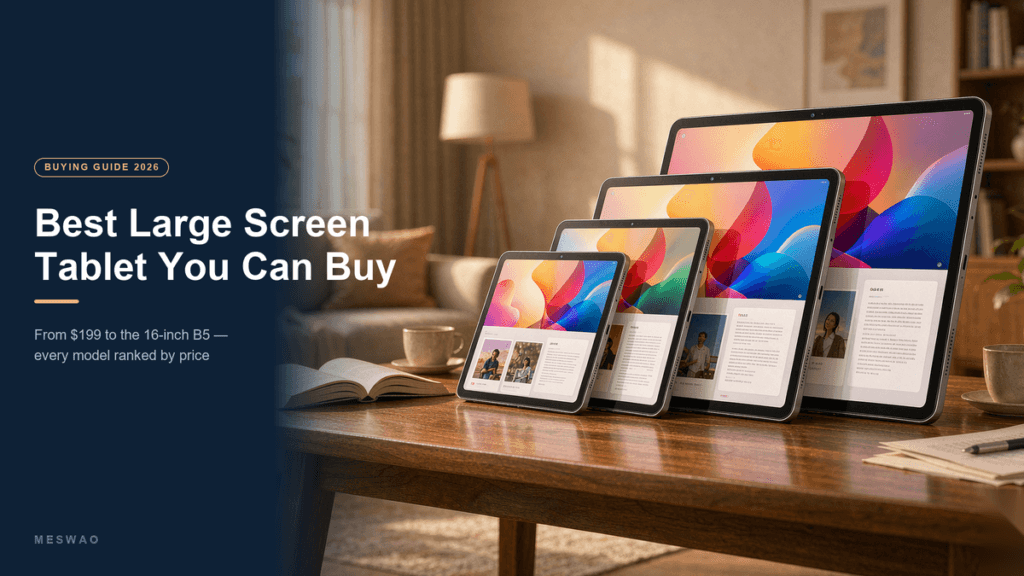
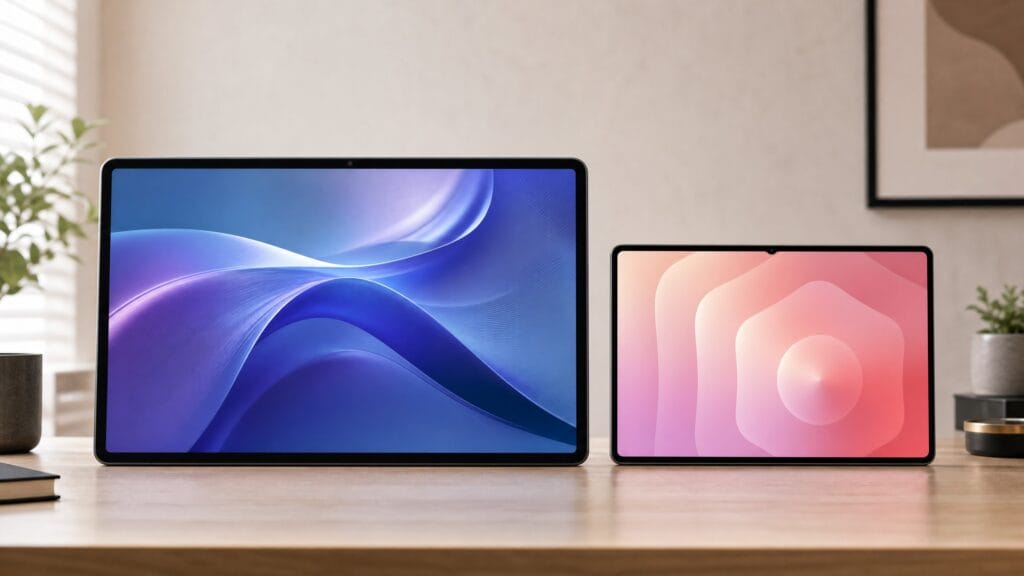
This is where the market is rapidly shifting. When comparing a large screen tablet vs small tablet, the larger devices offer a fundamentally different experience. They aren’t just big phones; they are portable entertainment and productivity hubs.
1. Immersive Entertainment
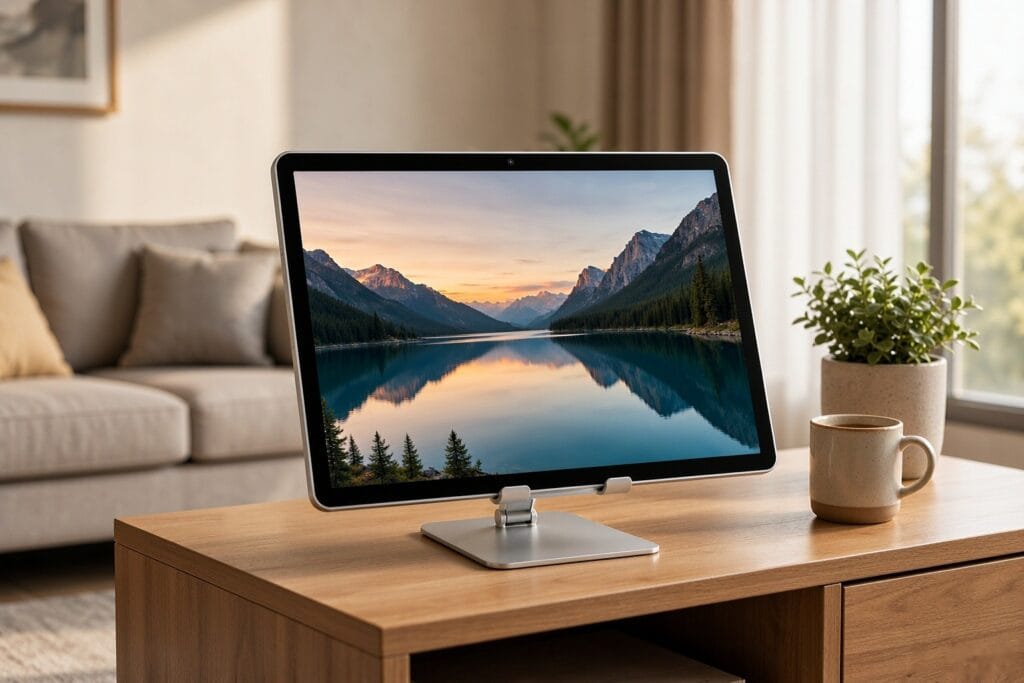
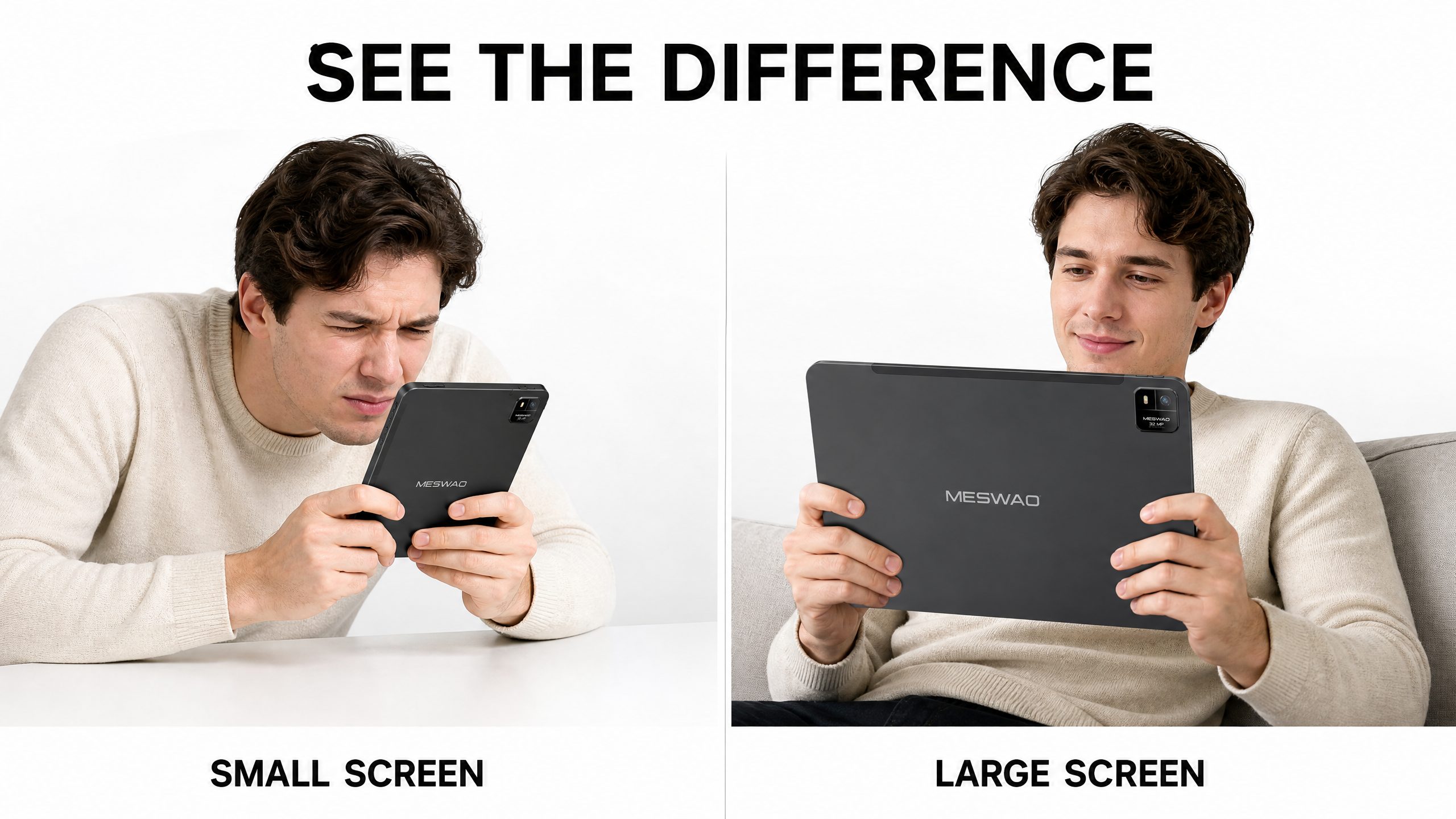
Watching Netflix on a 15.6-inch FHD IPS display is a cinematic experience compared to squinting at a 10-inch screen. The Meswao B3 Pro, with its massive screen and 12,000mAh battery, is built for binge-watching without constantly searching for a charger.
2. Real Productivity
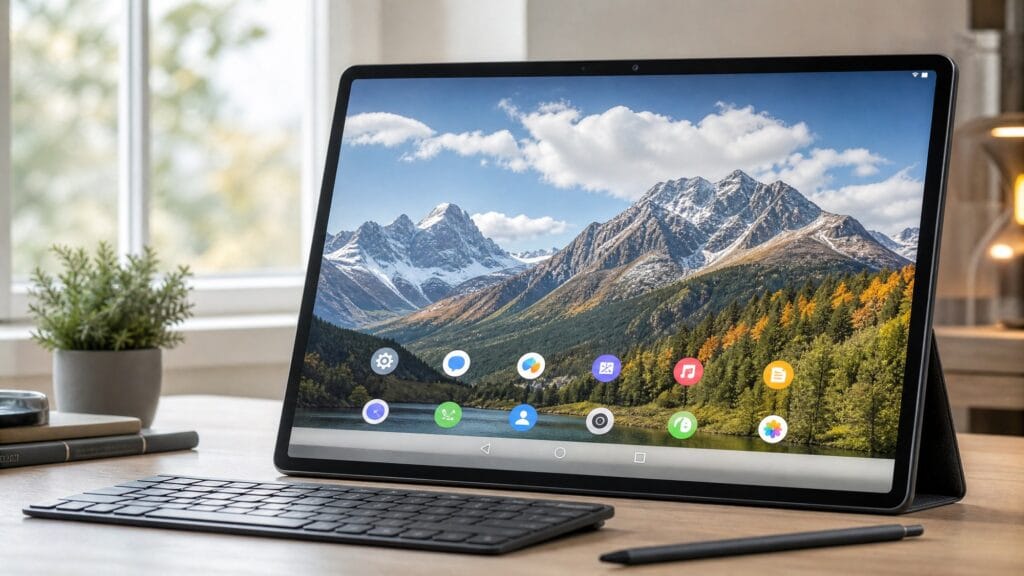
A large screen tablet allows for genuine split-screen multitasking. You can have a Zoom call on one half of the screen and a Google Doc on the other, both displayed at a readable size. This is why many professionals are ditching their heavy laptops for large Android tablets.
3. Better for Your Eyes
Let’s be honest: constantly staring at small screens causes eye fatigue. A larger display allows you to increase the font size without ruining the layout of the webpage or app, making it much more comfortable for extended reading sessions.
Large Screen Tablet vs Small Tablet: The Verdict
So, which is right for you?
If you only need a device for reading e-books on the subway, a small tablet might suffice. But if you want a device to watch movies in bed, browse the web comfortably, handle emails, and perhaps act as a portable TV, a large screen tablet wins easily.

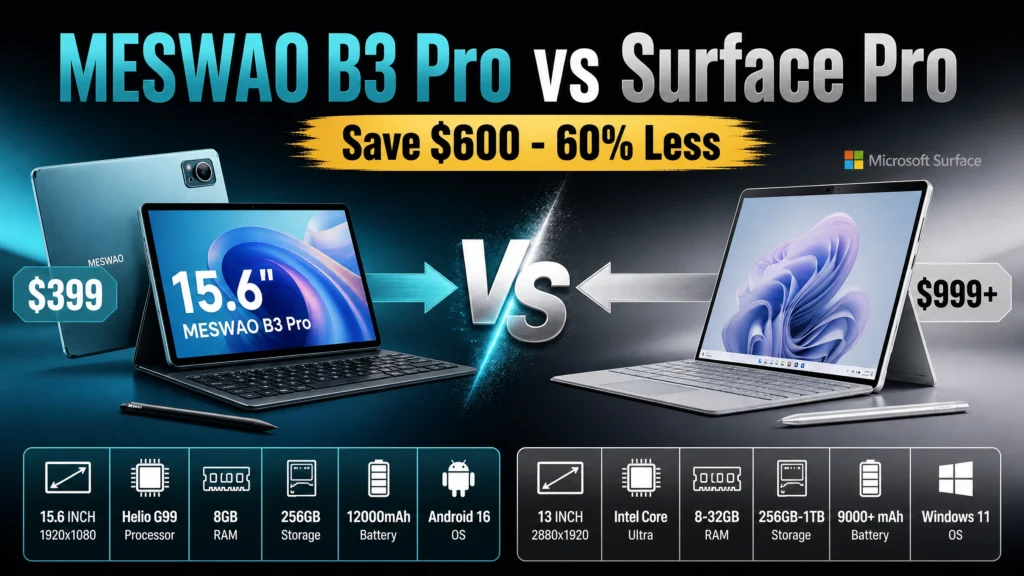
You might be worried about the price of large tablets, as premium brands charge over $1,000 for their 13-inch models. However, you don’t have to pay the “screen size tax.” The Meswao B3 Pro offers a massive 15.6-inch display, Helio G99 processor, and 8GB of RAM for under $400, making the leap to a large screen more accessible than ever.
FAQ
Are large screen tablets hard to carry?
Not at all. While they won’t fit in a small purse, a 15.6-inch tablet like the Meswao B3 Pro is incredibly thin (just 9mm) and weighs around 1kg. It slips easily into any standard backpack or laptop sleeve.
Do large tablets have worse battery life?
It depends on the battery capacity. While a larger screen draws more power, manufacturers usually include much larger batteries. For example, the Meswao B3 Pro houses a massive 12,000mAh battery, ensuring all-day usage despite the 15.6-inch screen.
Can I use a large tablet as a second monitor?
Yes! Many large Android tablets can function as a secondary wireless display for your PC or Mac using third-party apps, making them incredibly versatile. If you need a dedicated screen, you might also consider a portable monitor.
Our Complete 2026 Large-Screen Tablet Ranking
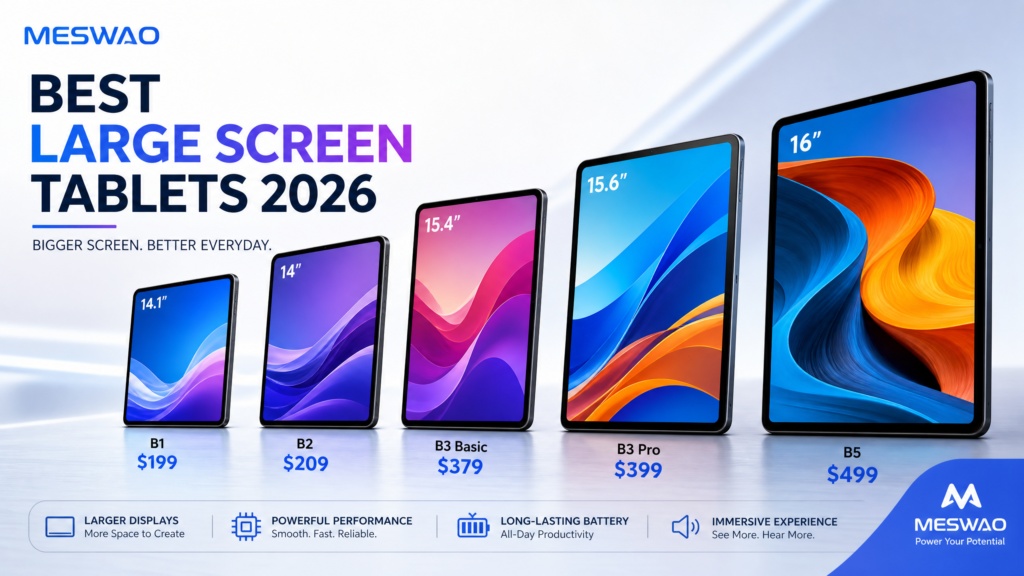
For the full, spec-by-spec 2026 ranking across every Meswao size (14.1″ to 16″), read our best large screen tablets 2026 — tested & ranked guide.